
The Art of Slow Living: How Americans Are Redefining Success and Happiness
Table of Contents
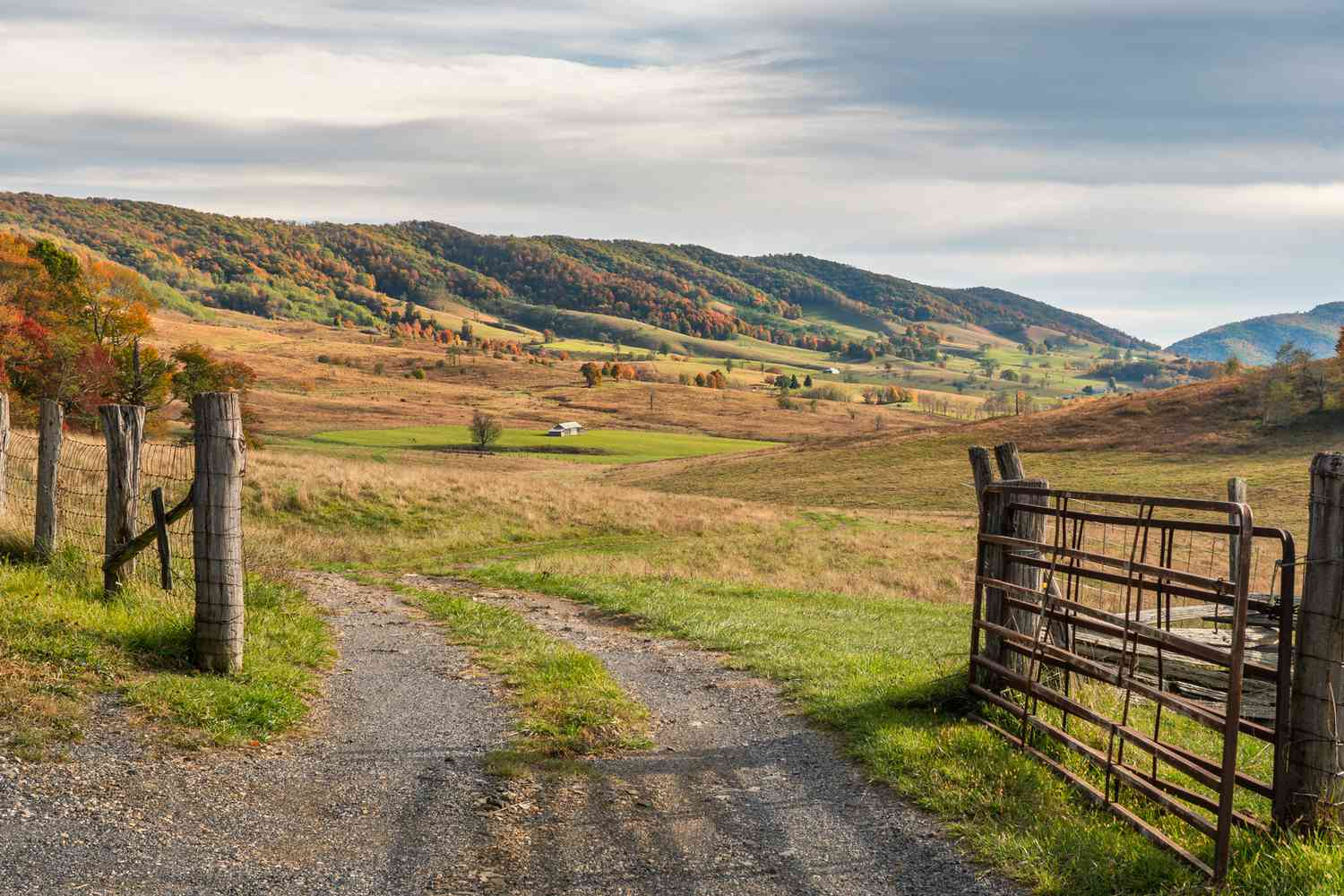
There’s a quiet wave spreading across America – from the sunlit valleys of California to the peaceful farms nestled in the hills of Virginia. It’s called slow living – not an escape from modern life, but a return to what truly matters.
In a world spinning faster each day, Americans are learning how to live, not just exist.
1. When America Began to Breathe Slower

For generations, America was defined by ambition, productivity, and the relentless pursuit of “more.” The mantra “Time is money” shaped the nation’s identity throughout the 20th century. But in the 2020s – especially after the global pandemic – something shifted.
Burnout, anxiety, and disconnection pushed millions to ask a profound question: What’s the point of success if we no longer have time to live?
And so, they began to turn back toward the simple things: time, space, and silence.
2. Slow Living Is Not About Stopping – It’s About Living Intentionally

In American culture, slow living doesn’t mean slowing down or stepping away. It means living intentionally – making conscious choices about how to spend our time and energy.
Slow living is not about quitting your job; it’s about working smarter, not harder. It’s not rejecting technology; it’s knowing when to turn off your phone and look up at the sky. It’s not fleeing the city; it’s finding a quiet moment within it.
As writer Henry David Thoreau once said,
“I went to the woods because I wished to live deliberately, to front only the essential facts of life.”
More than 150 years later, his words still echo in the hearts of modern Americans – between the morning traffic, the endless Zoom calls, and the quiet yearning for something more real.
3. When Slow Living Became a Cultural Movement

Across the U.S., slow living has evolved from a quiet ideal into a defining cultural movement, especially among younger generations who crave meaning over speed.
- Van Life: Thousands are trading city apartments for life on the road – transforming vans into cozy homes on wheels, working remotely, and chasing sunsets across state lines.
- Cottagecore: A romantic return to rural simplicity – baking bread, gardening, writing letters, and embracing the art of stillness.
- The Slow Food Movement: A rebellion against fast food culture, celebrating local farms, mindful cooking, and meaningful meals.
- Mindfulness and Meditation: Once considered niche, now a part of daily American life.
A Pew Research Center study found that over 52% of Americans practice meditation or yoga at least once a week – not just for relaxation, but to reconnect with themselves.
4. Slowing Down to See More

States like Virginia, Vermont, and Oregon embody this mindful rhythm – where mornings begin with misty hikes through rolling hills, afternoons linger over local wines, and evenings end beneath open skies.
Here, “slow living” isn’t a philosophy, it’s a way of life: Choosing fresh produce from a farmer’s market. Cooking dinner with friends instead of ordering in. Taking a walk without checking your phone.
At places like Carven Hills in western Virginia, this philosophy comes alive. Guests wander through vineyards, visit animal farms, enjoy meet-and-greet moments with alpacas and horses, or learn to ride at sunset. Each experience is a gentle reminder: to live fully, sometimes you must first slow down.
5. The Heart of Slow Living: Mental Wellness

If wellness is the buzzword of modern America, slow living is its soul. Because slowing down isn’t about losing momentum – it’s about restoring balance.
According to Harvard Health, just 15 minutes of daily meditation can significantly reduce stress and increase focus. Spending time in nature boosts creativity and positivity by nearly 50%. No wonder wellness retreats, spas, and nature lodges are flourishing across the U.S. People aren’t escaping life – they’re returning to it.
6. Slow Living: The Freedom to Choose Your Pace

Perhaps the beauty of slow living lies in its simplicity – it doesn’t demand that everyone live the same way. It simply reminds us that we have the right to choose our own rhythm.
Some leave the city behind.
Some stay in New York but learn to savor their morning coffee.
Some find peace on a quiet hillside in Virginia.
As Americans like to say: You can’t pour from an empty cup. Slow living isn’t a trend. It’s a gentle invitation – to live more, feel deeper, and be fully present. From the vineyards of Virginia to the golden coastlines of California, America is learning to breathe again – slower, softer, and more alive than ever before. That, perhaps, is the true art of slow living.
Plan your Virginia trip today at Carven Hill website and let every sense come alive.


