
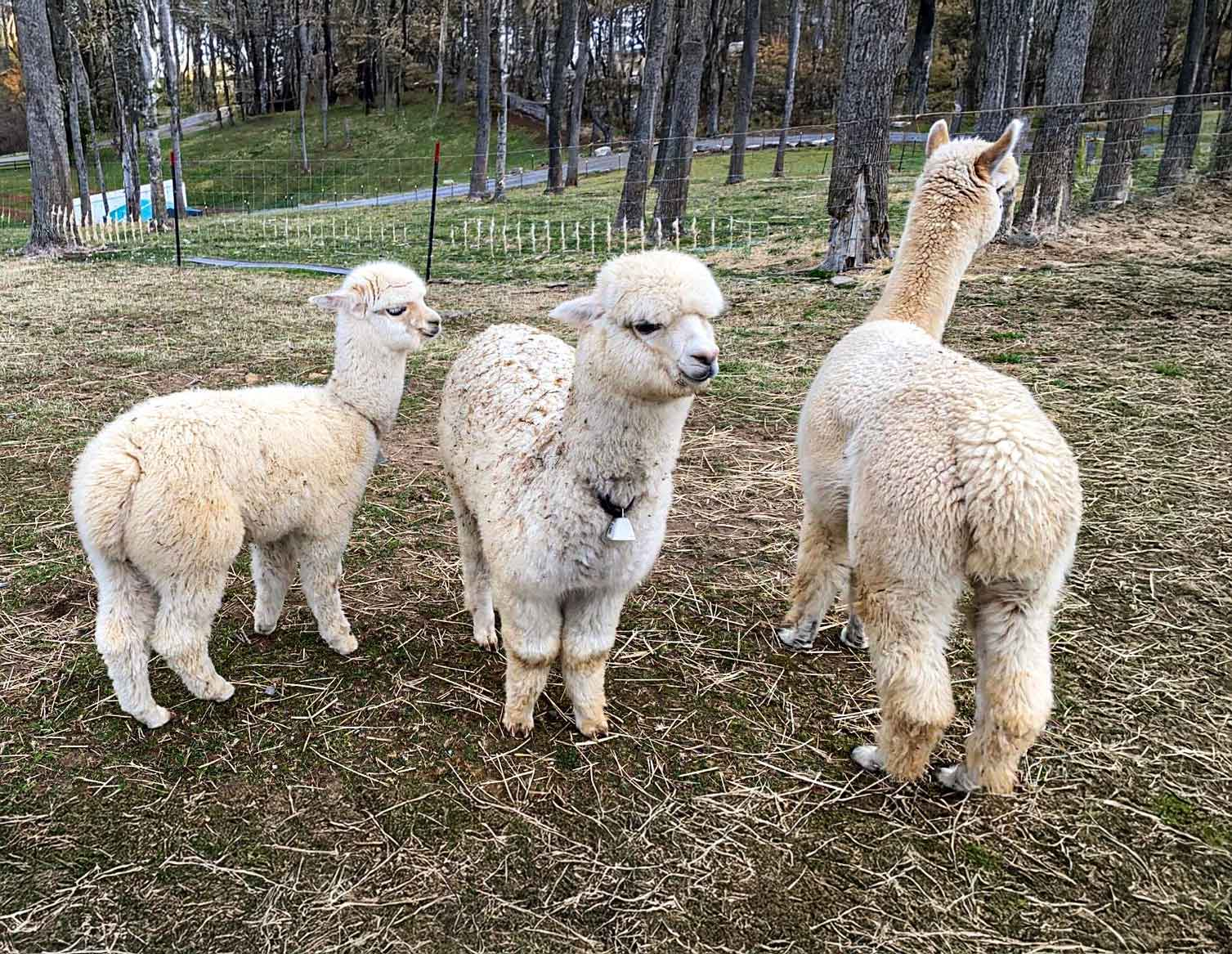
Alpaca – The gentle friend of the Andes

If you have ever seen a creature that looks like a small camel with velvety fur, you have most likely met an Alpaca. This lovely animal originates from the Andes in South America, especially popular in Peru, Bolivia and Chile.
Appearance and personality
Alpacas are usually about 80–100 cm tall, weighing 50–80 kg. With big eyes, long eyelashes and a “friendly” smile, they easily win sympathy at first sight.

Habits and behavior
Living in herds: Alpacas do not like to live alone. They often gather in groups to feel safe and connected.
Frugal eating: As a herbivore, alpacas graze small patches of grass very neatly, without destroying the environment.
Orderly toileting: An interesting feature is that alpacas often choose a fixed area to go to the toilet together, helping to keep the living environment clean.
Enjoying to rest outdoors: They often lie on the grass, closing their eyes to relax in the sun.
Social communication: In addition to the “humming” sound, alpacas also use body posture to express emotions, for example, raising their ears when alert or lowering their heads when submissive.
Precious fur
Alpaca wool is famous worldwide for its softness, warmth and durability. It is lighter than sheep’s wool, does not cause itching, and has more than 20 different natural colors – from white, beige, brown to black.
Role in life
For the Andean people, alpaca not only brings a valuable source of wool but also is a part of traditional culture. Today, alpaca has also become a tourist symbol, attracting tourists to visit and experience.
Alpaca at Cavern Hills

Open to visitors: Cavern Hills describes “visit friendly animals” activities — if they raise alpacas, visitors can most likely come and take pictures, pet, and experience up close with alpacas on the premises.
Aiming for education and experience: Besides caring for alpacas, the farm can organize tours to teach how to groom, raise and care for alpacas, or “feed & pet” experiences for young guests.
Barn and living environment management: Alpacas need airy barns, shelter from the rain, and sunbathing areas — if Cavern Hills already has facilities for “friendly animals,” it can be renovated to suit alpaca conditions


